
Origin of Kochi
About Kochi / Roseki
Roseki 5th Yoshinori Akazawa (1971-)
Yoshinori AKAZAWA Roseki 5th
(1971-) Current
“The 5th generation Roseki Akazawa infuses traditional Kochi-yaki with the realism of Japanese painting and a modern sensibility. His evolving techniques hold the potential to become future antiques. Enjoy his vibrant colors as ‘living art’ that brings elegance to contemporary lifestyles.”
 Read More: 5th-Generation Roseki Akazawa
In the 2021 (Reiwa 3), the current generation took the name of the Roseki 5th.
Since 1877 (Meiji 10), AKAZAWA has been mainly engaged in the pottery of Kochi ware. AKAZAWA’s artistic activity is based in Japan but has been exhibited and collected around the world in Italy, Spain, Austria, Tunisia, France, Latvia, China, Swizerland and many others.
Roseki 4th (1941-2020)
Seichu AKAZAWA Roseki 4th
(1941-2020)
 Read More: 4th-Generation Roseki Akazawa
“The 4th generation was a master deeply beloved in the world of Tea Ceremony. The dignity and calculated formal beauty of his pieces elevate the prestige of any tea gathering. As a deceased master, opportunities to encounter his works in such excellent condition are becoming increasingly rare.”
Roseki 3rd (1900-1993)
Shisuo AKAZAWA Roseki 3rd
(1900-1993)
 Read More: 3rd-Generation Roseki Akazawa
“Born in Takefu, Fukui, the 3rd generation Roseki (Shisuo Akazawa) was a pioneering female artist who revitalized the Akazawa lineage after the sudden passing of the 2nd generation. Her works represent a beautiful harmony between the resilient spirit required to protect a historic tradition and the delicate, graceful touch unique to her feminine perspective. Each piece tells a story of passion and perseverance, making it a profound addition to any collection.”
Roseki 2nd (1897-1976)
Shuzo AKAZAWA Roseki 2nd
(1897-1976)
 Read More: 2nd-Generation Roseki Akazawa
“The 2nd generation Roseki is a true legend, recognized as a Master of Technical Preservation. The fact that his works are housed in the Akasaka State Guest House is a testament to his absolute quality. These are museum-grade masterpieces, truly worthy of being called a family heirloom.”
Kaho 1st (1848-1915)
Motojiro AKAZAWA Kaho 1st
(1848-1915)
 Read More: 1st-Generation Kaho Akazawa
“Kahou Akazawa, the first generation, is the founder who breathed new life into the historic Akazawa family through art in 1877. Born into a traditional lineage of Terazamurai (samurai administrators) who served the Myoshin-ji Temple for generations, he took up the brush during a period of great societal change. His passion became the headwaters of the 150-year legacy of ‘The Art of Governing Light,’ and his spirit continues to live on within the works of every generation.”
Kochi Ware in Contemporary Life
Create a Space That Reflects You
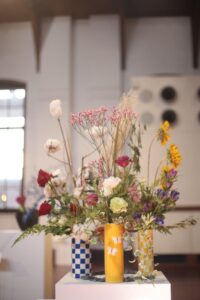
A favorite ceramic or work of art can brighten your day and bring small discoveries into everyday life. When welcoming someone special, it may also spark conversation and become part of a memorable occasion.
Kochi is a style of ceramic ware known for its rich colors, including yellow, green, purple, and blue. Long appreciated as tea utensils, Kochi works can also be enjoyed as works of art, bringing color and character to contemporary homes and daily life.
Yoshinori Akazawa, the fifth-generation Roseki, carries forward the techniques of previous generations while bringing a contemporary sensibility to his work. Welcoming a work of art into your home is about more than acquiring an object. It can be an opportunity to consider how you wish to spend your time and the kind of space in which you would like to welcome others.
What Is Kochi?

Five-generation Roseki, Yoshinori Akazawa (1971–), Rabbit Incense Container in Green Kochi Ware
Kochi ware is known for its colors, including yellow, green, purple, and blue. In Kyoto, the spirit of Kochi has been reinterpreted and developed into forms suited to Japanese life and the tea ceremony. The official Akazawa Roseki website introduces its history and colors, while distinguishing Chinese Kochi ceramics from Japanese ceramics made in the Kochi style. About Kochi Ware
Vivid colors can draw the eye, yet the impression a work makes changes with the color and where it is placed. Which work speaks to you? What color would you like to bring into your home? Taking time to consider these questions is part of the pleasure of choosing a work.
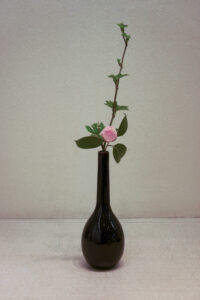
Tea Utensils for the Art of Hospitality
Tea utensils are not only tools for preparing tea; they also express the host’s care for their guests. Choosing a tea bowl and thinking about the guest and the season are part of the preparation. The spirit of hospitality begins there.
The colors and designs of Kochi tea bowls and utensils can lend a distinctive character to a tea gathering. For those familiar with the tea ceremony, as well as anyone who values time spent with guests, choosing utensils can be a way to shape a style of hospitality that feels personal.
If you would like advice on choosing a work for a tea gathering, you are welcome to enquire about its intended use and the character of the occasion.
Bring Art into Your Home
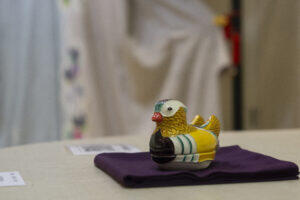
Art is not only something to be seen in a museum or gallery. When brought into your home, it becomes part of daily life—something you can return to again and again. Its appearance may change with the season, the light, and the furnishings around it.
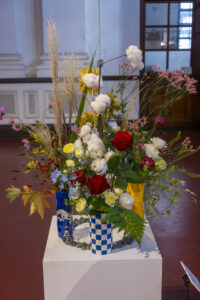
When deciding where to place a work, consider not only the size of the room or the color of the walls, but also how you would like to spend time there. Will it be in a space where you welcome guests, or somewhere you can enjoy it quietly on your own? A work of art can shape the feeling of a room and become part of the setting that reflects who you are.
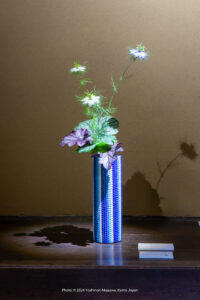
The works of Yoshinori Akazawa, the fifth-generation Roseki, include a range of colors, such as lapis-blue Kochi and young-green Kochi. The official website features works including a lapis-blue Kochi tea bowl and an incense container in young-green Kochi. Works and Colors of Kochi
Discover the Works of Yoshinori Akazawa, Fifth-Generation Roseki
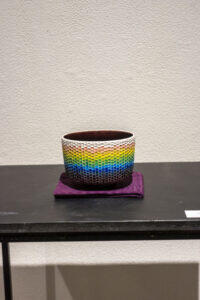
Yoshinori Akazawa, the fifth-generation Roseki, continues the Kochi techniques passed down through generations while bringing to his work his background in Japanese painting and a contemporary sensibility. Each work has its own character, expressed through vivid colors and delicate brushwork.
When choosing a work, you might look beyond its name and technique to consider the colors and forms that stay with you, and how you might use or display it. Asking yourself, “Where would I like to place this?” or “What kind of moments would I like to share around it?” can help reveal what welcoming the work into your life might mean to you.
Enquiries About Works
You are welcome to enquire about works not listed in the online shop, as well as works intended for use at a tea gathering. If you have a question about a work, please email us with details of your intended use or the work that interests you. Contact
Encountering a work of art may bring new pleasures and perspectives into everyday life. We invite you to discover a work that enriches your daily routine, helps shape a space that feels like your own, and brings warmth to time spent with those who matter to you.
Lectures and Exhibition Proposals
If you are considering inviting Yoshinori Akazawa for a lecture or proposing an exhibition, please contact us by email in the first instance. Contact
Please understand that we may not be able to respond to every enquiry.